|
|
|
|
|
|
|
Climate Adaptation
|
|
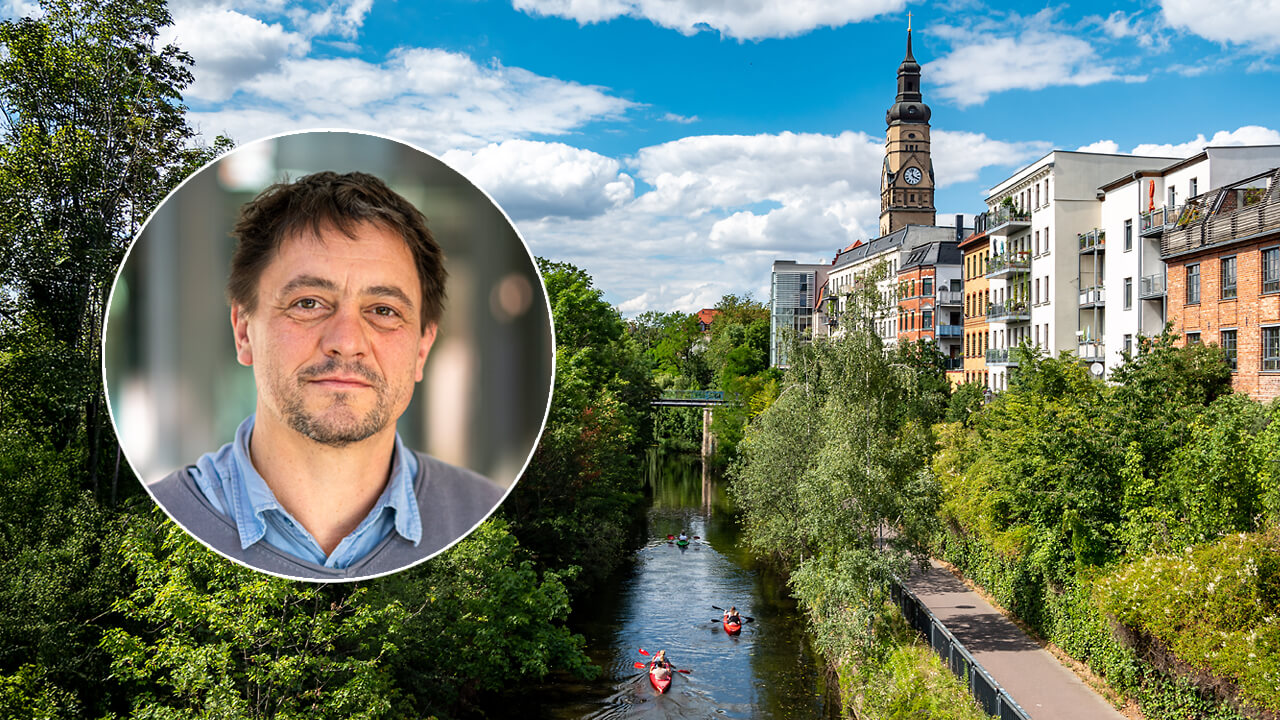
Blue-Green Urban Development – a new Reality?
|
|
|
|
|
|
|
|
|
|
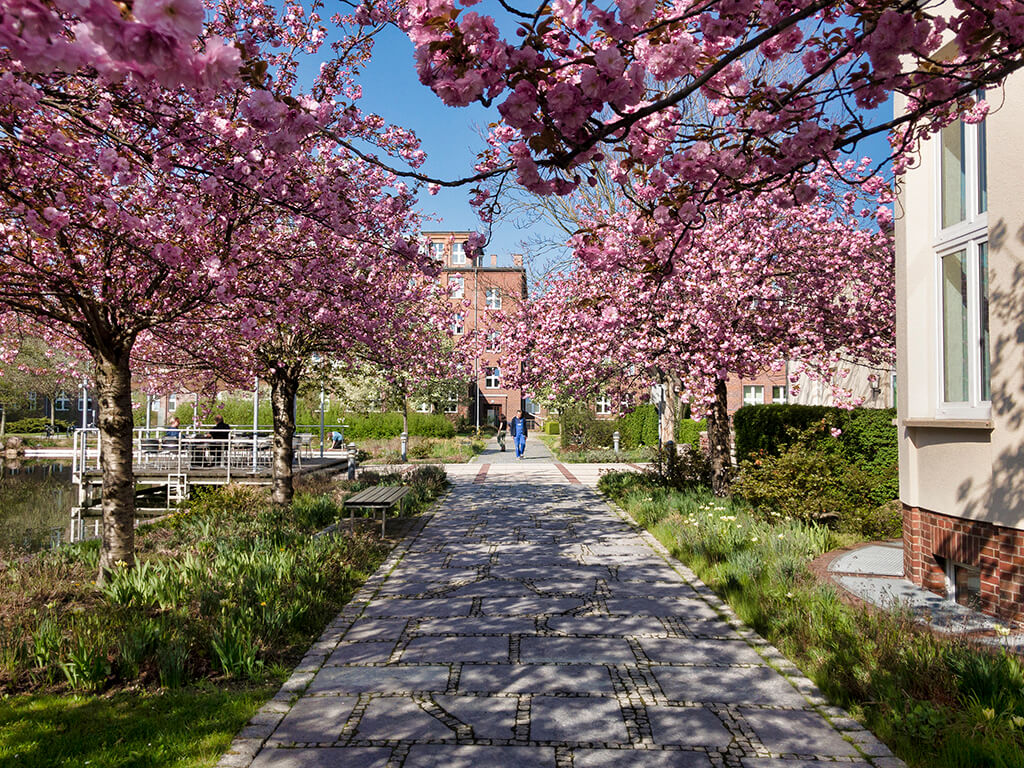
Many cities want to establish blue-green infrastructure in order to adapt to the consequences of climate change. On 20 – 21 November, representatives from ten municipalities will come to Leipzig for a specialist meeting of the UFZ-coordinated project ‘BlueGreen City Coaching’. They hope that a coaching approach will give new impetus to implementation. Project manager and UFZ political scientist Dr Frank Hüesker talks in an interview about the project, the coaching process and the benefits for research.
|
|
|
|
|
|
|
|
|
|
|
|
Statement
|
|
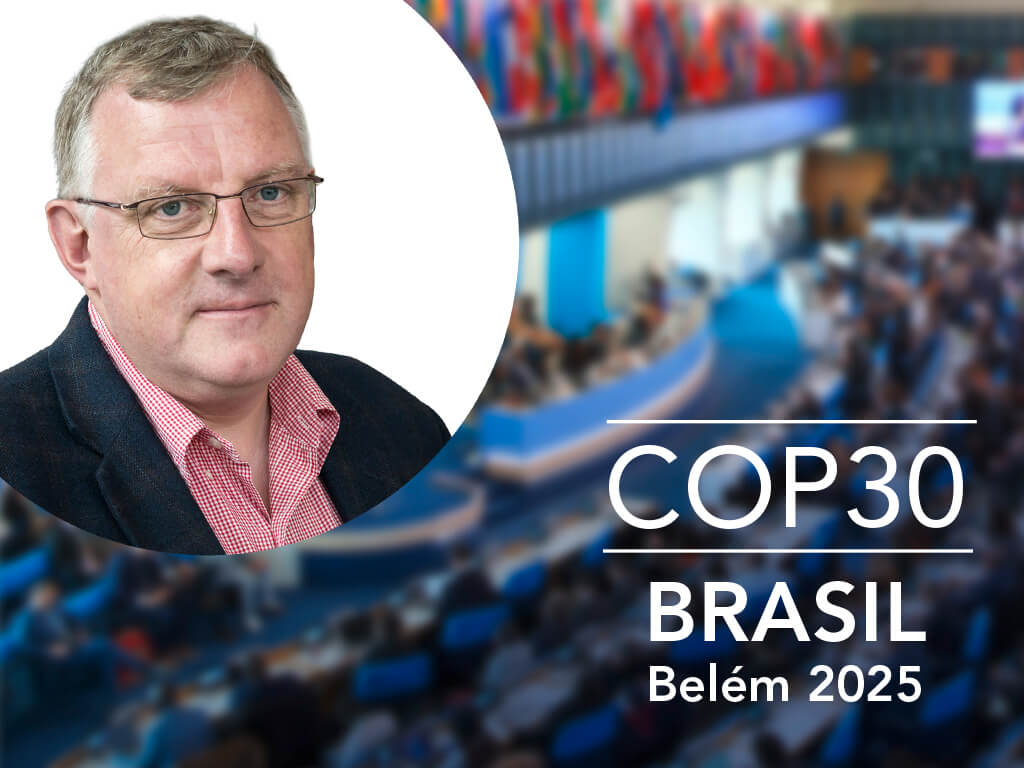
Financing Adaptation and Tropical Forest Conservation
|
|
|
|
|
|
The UN Climate Protection Conference is currently taking place in Belém, Brazil. In keeping with the venue, much of the focus will be on the topic of ‘nature’. The run-up to COP30 has been overshadowed by geopolitical discord, wars and the US' withdrawal from the Paris Agreement. Nevertheless, political successes seem possible, according to UFZ climate economist Prof Reimund Schwarze. He sees opportunities above all in the financing of climate adaptation and the protection of tropical forests.
|
|
|
|
|
|
Statement
|
|
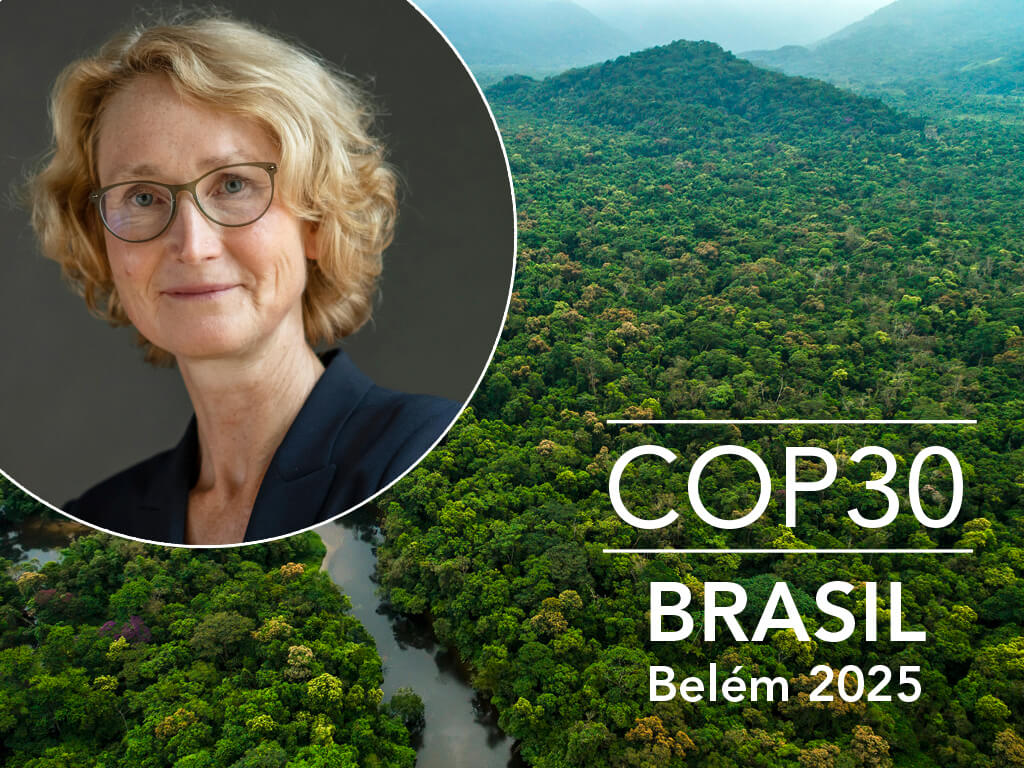
Biodiversity and Climate: Making Nature an Ally
|
|
|
|
|
|
To stay within the 1.5 degree target, we need more than just reducing energy consumption, replacing fossil fuels or technological solutions for CO2 reduction. Climate change is only one symptom of a larger problem: humans are overexploiting the planet. Accordingly, we need to rethink how we treat our land, forests, rivers and oceans. Man is part of the problem – and at the same time a big part of the solution, writes Prof Katrin Böhning-Gaese in her statement.
|
|
|
|
|
|
|
|
|
|
|
|
|
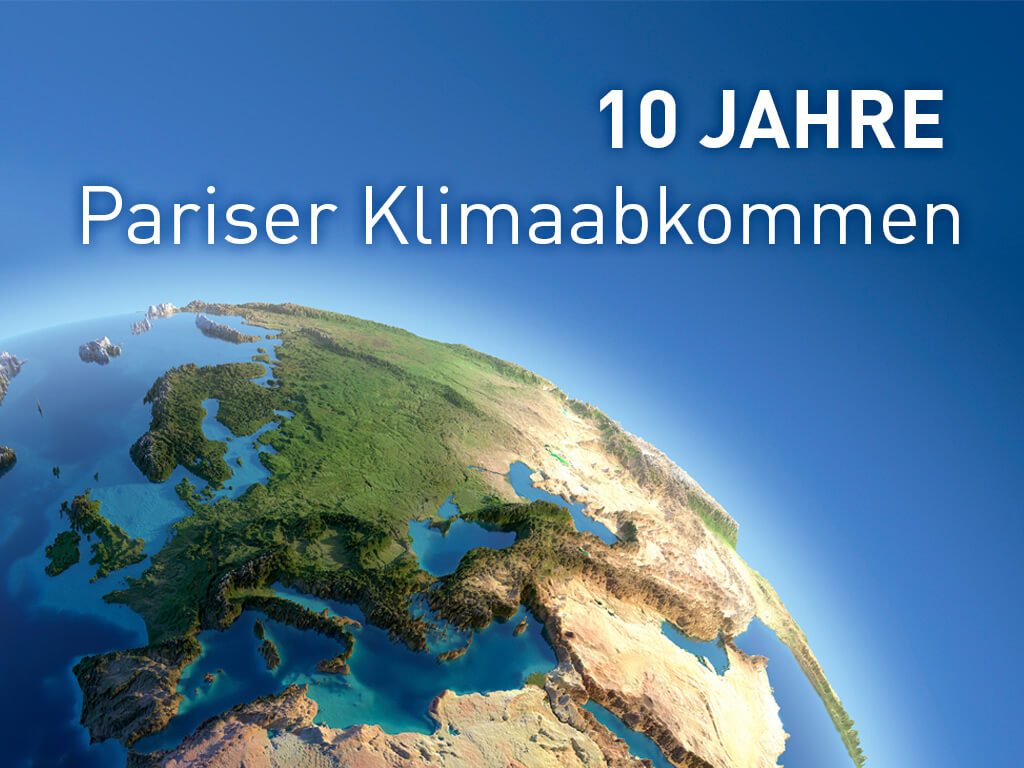
10 Years of the Paris Agreement
|
|
Helmholtz Solutions
|
|
|
|
|
|
December 2025 marks the tenth anniversary of the Paris Climate Agreement. The selected examples on this topic page show the solutions and approaches that Helmholtz experts are researching to counteract global warming and its consequences and to still achieve the goals of the agreement. And, of course, UFZ scientists are also involved.
|
|
|
|
|
|
Climate Communication
|
|
Climate Facts at a Glance
|
|
|
|
|
|
Leading German scientists and communications experts have joined forces to publish the fourth edition of the Climate Fact Sheet. It summarises the current scientific knowledge on the causes, consequences and effects of climate change in Germany and worldwide in a compact and understandable way and presents solutions for climate protection.
|
|
|
|
|
|
|
|
|
|
|
|
|
Housing Policy
|
|
Wanted: Solutions to the Housing Shortage
|
|
|
|
|
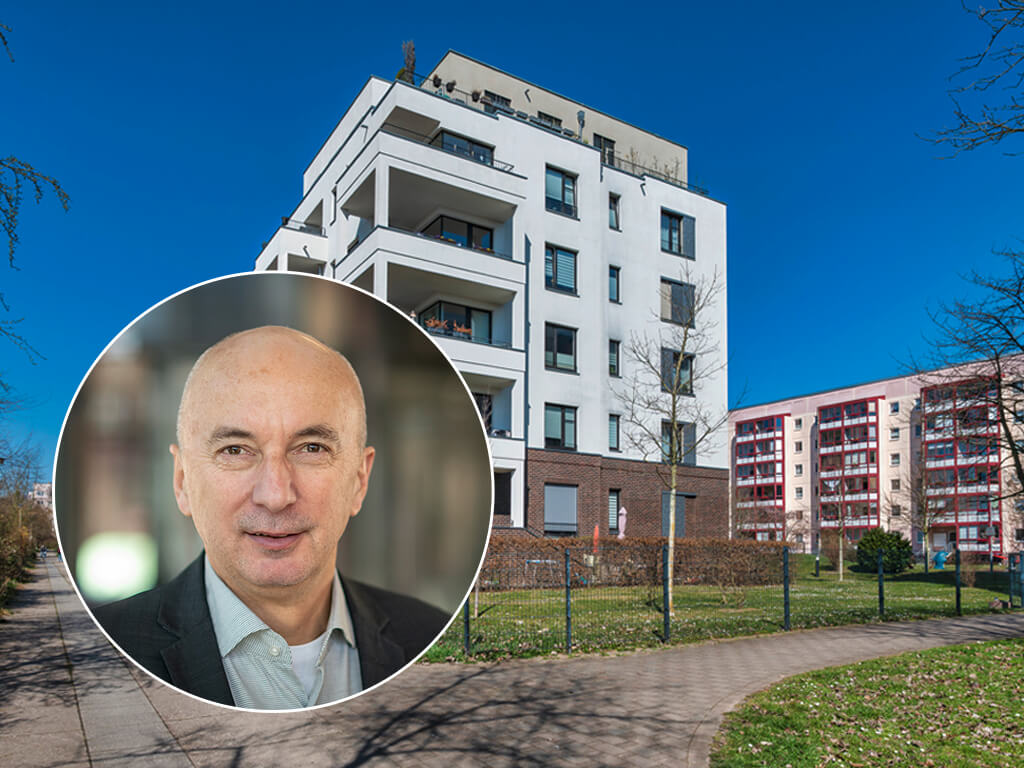
The housing market in major German cities is extremely tight, with a shortage of affordable housing in many places. This has far-reaching social consequences and leads to dissatisfaction. What are the causes of this predicament? What solutions are there for urban areas? What is the situation regarding affordable housing? UFZ urban sociologist Prof Dieter Rink discusses these questions in a podcast with Deutschlandfunk Kultur.
|
|
|
|
|
|
|
|
|
|
|
|
|
|
|
|
Statement
|
|
Index of Grassland Butterflies as a Mandatory Indicator
|
|
|
|
|
|
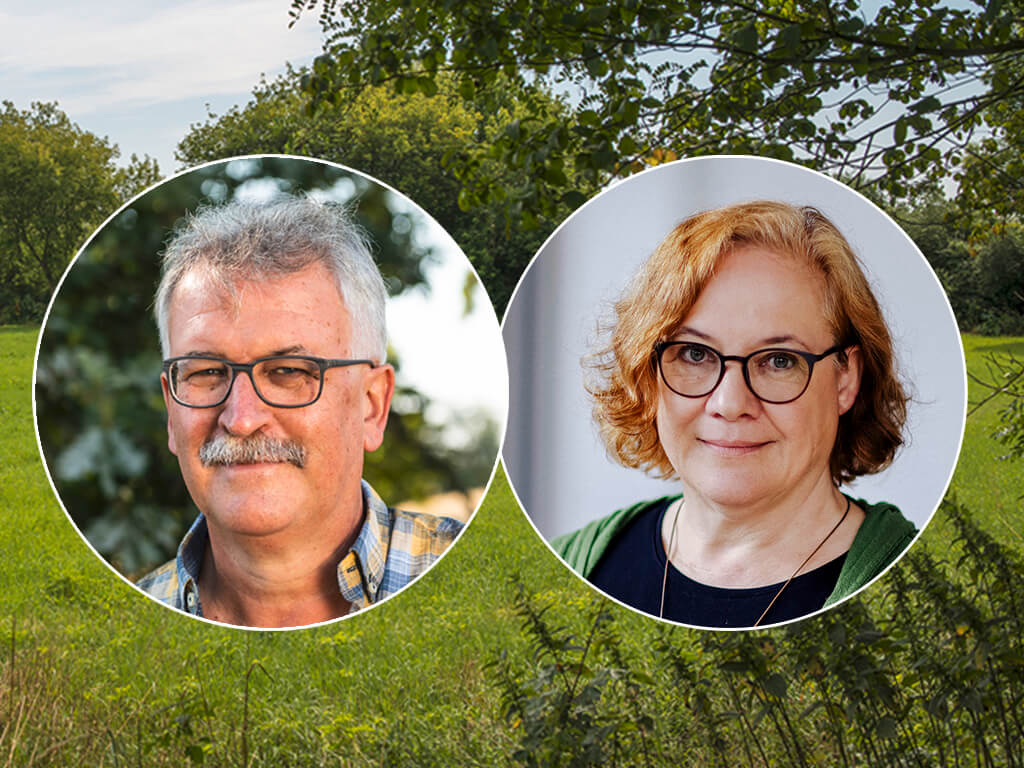
The grassland butterfly index shows how the population of typical grassland butterfly species is developing. It is one of three indicators that EU countries can use to document the state of biodiversity in agriculture in accordance with the EU Nature Restoration Regulation. Germany is considering scrapping the index. However, UFZ researchers, including Prof. Josef Settele and Elisabeth Kühn, are strongly advocating its use.
|
|
|
|
|
|
Discussion Paper / Digital Dossier
|
|
International Agricultural Trade and Consumption
|
|
|
|
|
|
Global trade in agricultural products makes menus more diverse and offers advantages for trading partners in the countries of origin. However, it can also have a negative impact on biodiversity, climate and food security. How can we strike a balance? A digital dossier uses concrete examples to illustrate the complexity of the issue. It is based on a discussion paper written by researchers from various disciplines under the umbrella of the Leopoldina.
|
|
|
|
|
|
|
|
|
|
|
|
|
|
RECOMMENDED READING
|
|
Decision-making Aids for the Use of Near-Surface Geothermal Energy in Urban Districts
|
|
|
The geological space beneath our feet holds great potential for urban heat energy supply and thus plays a key role in achieving climate protection goals. However, planning large-scale geothermal systems for urban districts is not comparable to planning individual installations. This is where the open-access book “EASyQuart” comes in, offering decision-making support aimed at cost-effective system design.
|
|
|
|
|
|
|
|
|
|
|
|
|
|
|
Plant Protection Products
|
|
Behavioural Changes in Bees and Fish
|
|
|
|
|
|
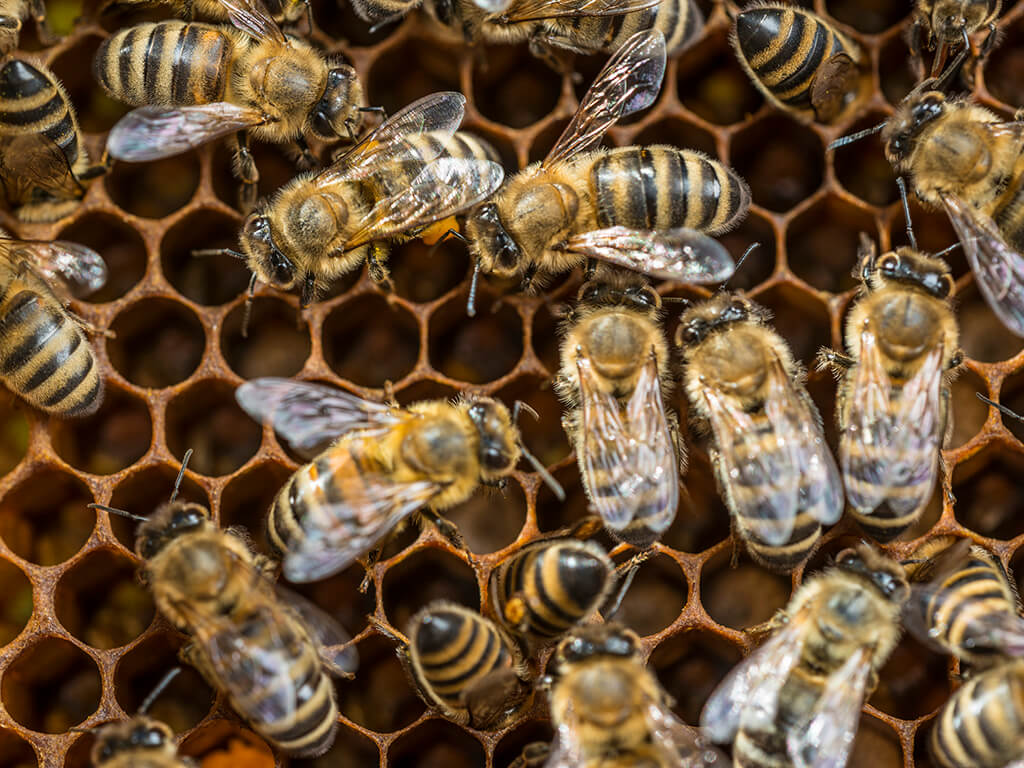
Plant protection products protect crops from pests, diseases and weeds. However, they also harm organisms that are not targeted. UFZ researchers have now discovered that even in low concentrations, herbicides significantly influence the behaviour of pollinators and fish (Environment International). They are therefore calling for more relevant behavioural tests in the risk assessment of plant protection products.
|
|
|
|
|
|
Green Deal
|
|
Nitrogen Reduction: Are the EU Regulations effective?
|
|
|
|
|
|
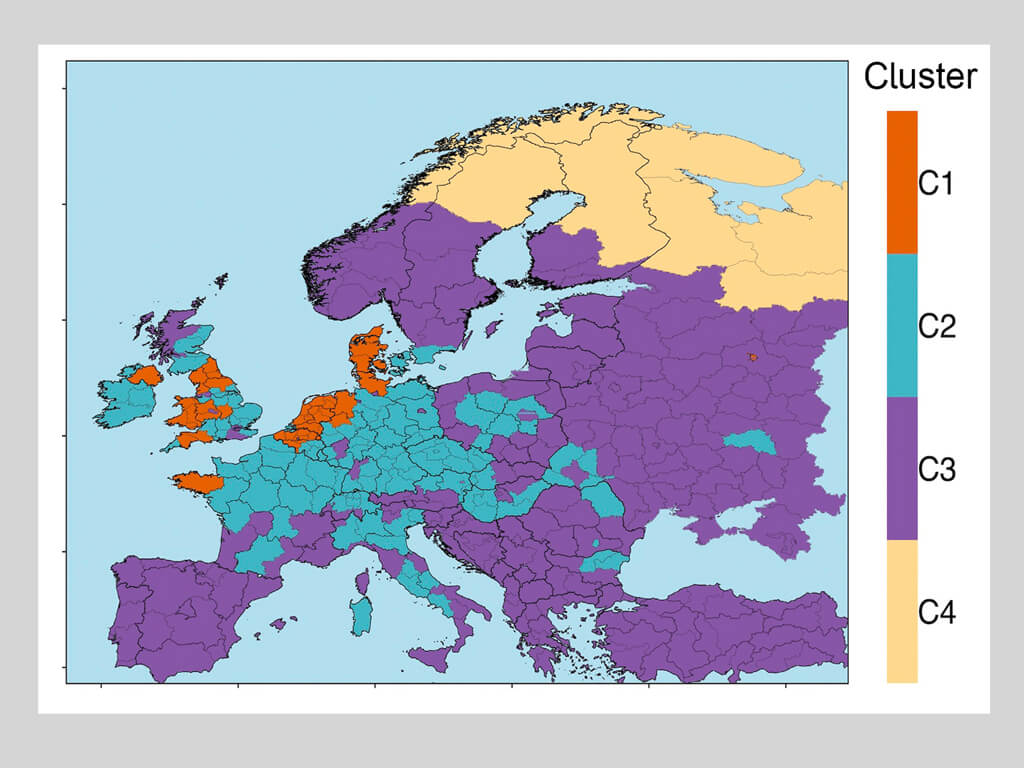
Nitrogen pollution is too high in Europe. But how can the amount of nitrogen in the environment be reduced? In the Farm-to-Fork Strategy of the Green Deal, the European Commission set out to at least halve nutrient losses by 2030 by requiring EU countries to use 20 per cent less chemical fertilizers. UFZ researchers write in the journal Nature Food that such a uniform reduction in fertilizer use is not sufficient to achieve this goal.
|
|
|
|
|
|
|
|
|
|
|
|
|
Sponge City
|
|
Leipzig Concert Hall becomes a Research Laboratory
|
|
|
|
|
|
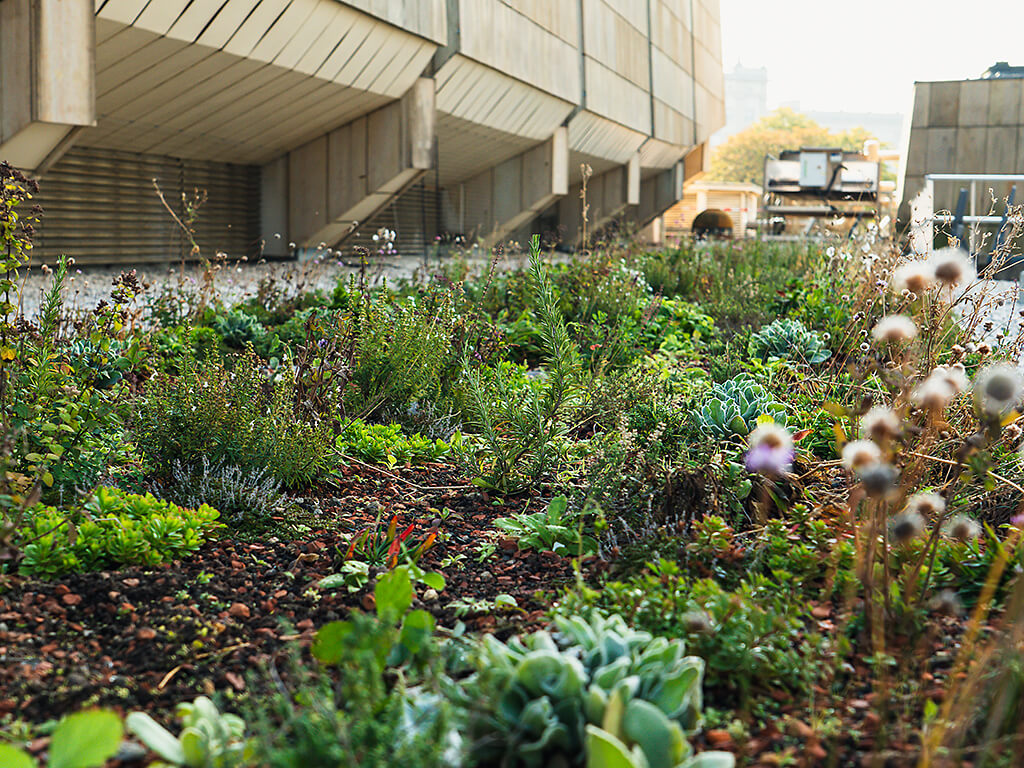
The Gewandhaus concert hall in Leipzig has converted 800 square metres of its roof area from a gravel roof to a green roof, into which special fibre optic measurement technology has also been installed. This is because local scientific institutions such as the UFZ, which collaborate in the ‘Leipzig Green Roof Think Tank’, also use the green roof as a research laboratory. For example, they investigate the effectiveness of maintenance measures and microclimatic effects.
|
|
|
|
|
|
Corporate Environmental Protection
|
|
UFZ awarded EMAS Certificate once again
|
|
|
|
|
|
In 2025, the UFZ once again passed the revalidation process under the EMAS (Eco-Management and Audit Scheme) environmental management system. This means that an external auditor has confirmed that the UFZ systematically records, transparently reports and continuously improves its environmental performance. For example, per capita electricity consumption in 2024 fell to its lowest level since 2001, and greenhouse gas emissions were reduced by 8 per cent.
|
|
|
|
|
|
|
|
|
|
|
|
|
|
|
|
PORTRAIT
|
|
|
|
|
Prof Marie Muehe
|
|
|
Marie Muehe conducts interdisciplinary experiments to investigate how plants, soils and microorganisms interact to break down pollutants and how climate influences this process. Her research has shown that climate change causes metals in the soil to become more mobile and accumulate more strongly in plants, thereby negatively affecting the quality of feed and food. At the same time, however, this opens up new opportunities for soil remediation.
|
|
|
|
|
|
|
|
|
|
|
|
|
|
|
|
Prof Bruno Bühler
|
|
|
Biotechnologist Bruno Bühler, group leader for Applied Biocatalysis in the UFZ Department of Microbial Biotechnology, is the new scientific vice-president of the European Society of Biochemical Engineering Sciences (ESBES). ESBES is the leading European organization for the promotion and advancement of biotechnology and bioengineering sciences. It promotes cooperation between bioengineers from Europe and overseas and connects industry and science.
|
|
|
|
|
|
|
|
|
Prof Volker Grimm
|
|
|
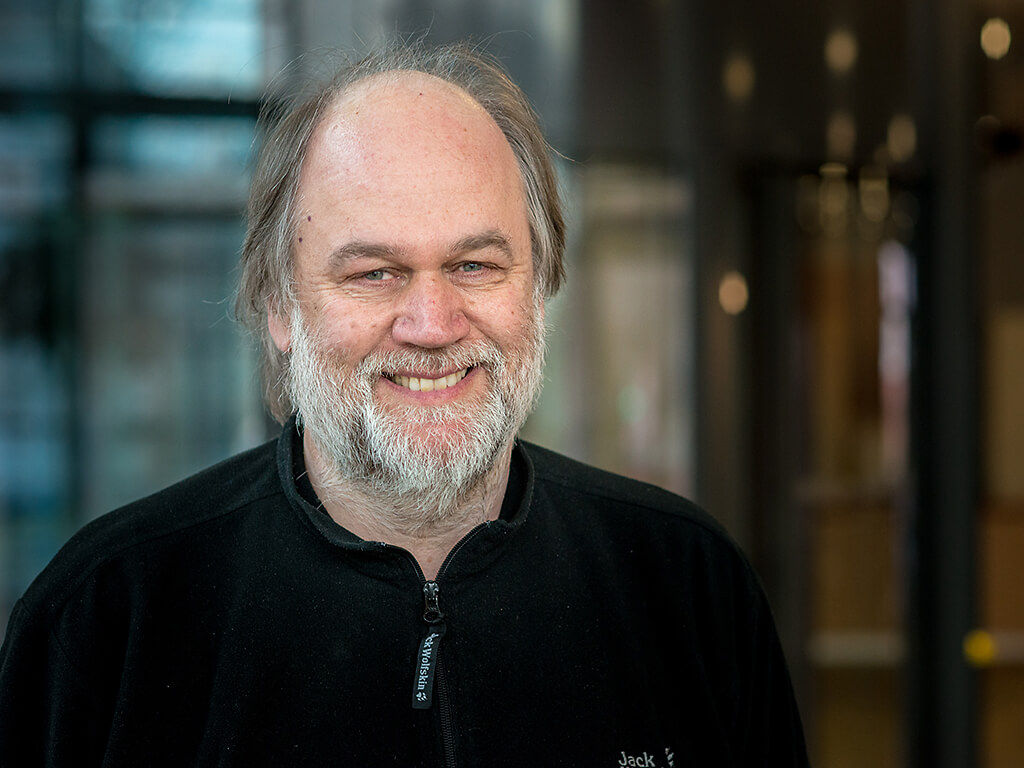
Modeller Volker Grimm, a scientist in the UFZ Department of Ecological Systems Analysis, was honoured with a medal of honour at the annual conference of the Ecological Society (GfÖ). He received the award for his excellent scientific work, which improves our understanding of ecological systems. Since 2020, the GfÖ has been awarding the medal to ecologists who have made outstanding and pioneering contributions to research or who have made a special contribution to the scientific community.
|
|
|
|
|
|
|
|
|
|
|
|
|
ARD TV-Team #Unsere Flüsse
|
|
|
|
|
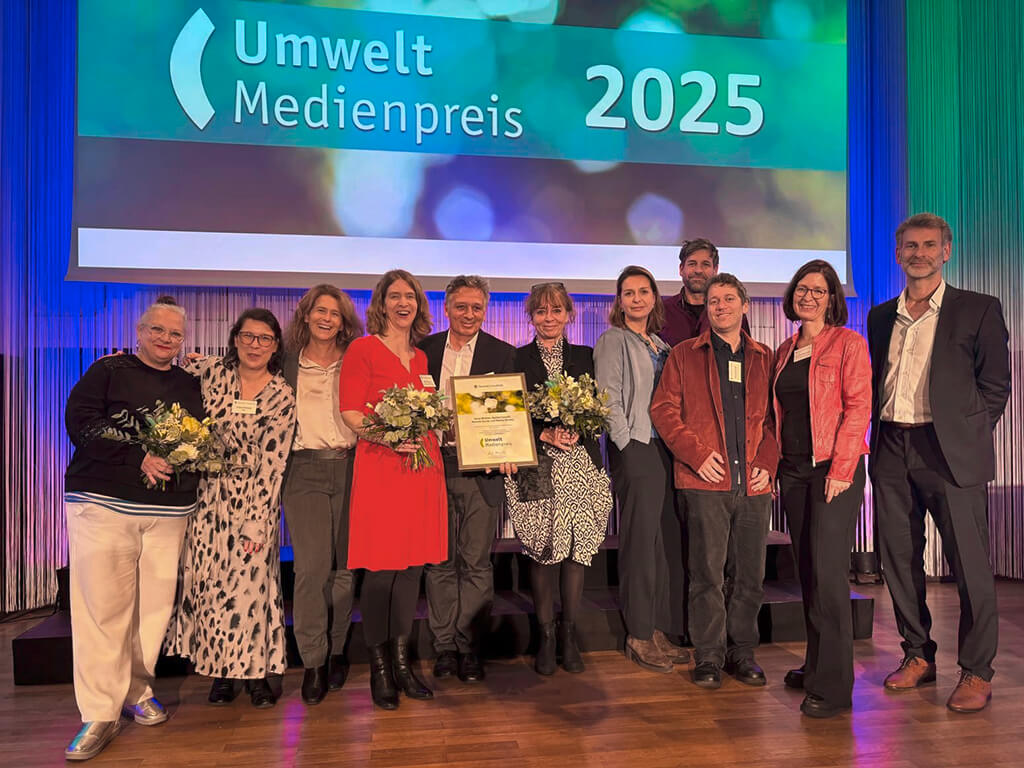
In May 2024, ARD presenter Jessy Wellmer – later supported by actor Sebastian Bezzel (Eberhofer crime series) – launched the participatory campaign #UnsereFlüsse (Our Rivers), which was supported by researchers led by UFZ biologist Prof Aletta Bonn and by the UFZ press office. The campaign was a resounding success: the researchers received a total of 3,800 stream assessments from all 16 federal states. The ARD team has now received the DUH Environmental Media Award for its work.
|
|
|
|
|
|
|
|
|
|
|
|
|
|
|
PartWiss25 Conference
|
|
November 12 – 14, 2025 I Conference I UFZ Leipzig
|
|
|
After Berlin (twice) and Chemnitz, the fourth PartWiss conference will take place at the UFZ in Leipzig. The aim of the event, which is expected to attract around 400 participants, is to develop perspectives for the future of citizen science, participatory and transdisciplinary research. The conference also aims to help interested parties to network, share experiences and discuss challenges.
|
|
|
|
|
|
|
|
|
|
|
|
|
|
|
|
Opening New Research Building
|
|
November 26, 2025 I 11 a.m. I UFZ Leipzig
|
|
|
On 26 November, a new office and laboratory building will be officially inaugurated at the UFZ in the presence of Saxony's Minister President Michael Kretschmer, Saxony-Anhalt's Minister of Science Armin Willingmann and BMFTR State Secretary Rolf-Dieter Jungk. The new building offers excellent research conditions for around 170 employees from the fields of sustainable technologies and chemicals in the environment. It was financed by the federal government as well as Saxony and Saxony-Anhalt.
|
|
|
|
|
|
|
|
|
|
|
|
UFZ Awards Ceremony
|
|
December 8, 2025 I 3:30 p.m. I UFZ Leipzig
|
|
|
Since 2016, the UFZ has honoured selected employees for special achievements every December. In addition to researchers, this also includes employees from administration and technical areas. A total of eight prizes will be awarded at the 2025 ceremony, including the Research Prize worth €10,000.
|
|
|
|
|
|
|
|
|
|
|
|
|
|
|
|
|
|
|
|
|
|
|
|
|
|
|
|
|

|
|
|
SOCIAL MEDIA
|
|
|
You can find even more topics from the research centre
on our website and social media channels:
|
|
|
|
|
|
|
|
|
|
|
|
|
|
|
|
PUBLISHER
Helmholtz-Zentrum für Umweltforschung - UFZ
Permoserstraße 15, 04318 Leipzig
Text / image editing: Susanne Hufe • Benjamin Haerdle • Dr. Reinart Feldmann • Susan Walter-Pantzer • Doris Wolst I presse@ufz.de
Photo credits: Animaflora PicsStock I AdobeStock • Gustavo Frazao I Shutterstock • Peter Kiefer • Mike Muzurakis I IISD ENB • Anton Balazh I AdobeStock • dkk • Anne Schwerin • Thomke Meyer I Leopoldina • Springer Spektrum • Masooma Batool I UFZ • Martin Seifert • Robert Lehmann • Sebastian Wiedling I UFZ • André Künzelmann I UFZ
We would be delighted if you would recommend the UFZ NEWS to others.
If you no longer wish to receive UFZ News, you can unsubscribe here.
|
|
|
|
|
|